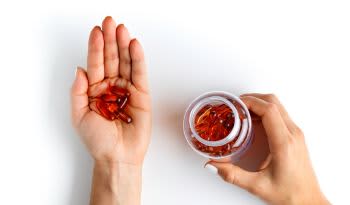
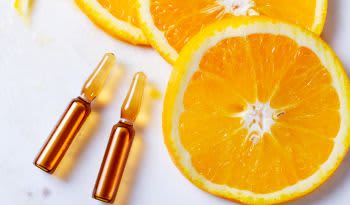
Is your schedule go-go-go until the afternoon hits – then you find yourself in a “slump”? Many of us reach for caffeinated drinks or energy bars to give ourselves that extra boost to get through the day. While these types of solutions might provide a quick fix, they’re not necessarily the healthiest choice. You may have wondered – are vitamins a better option? Can they help keep you energized? And if so, how does that work?
Let’s explore how some vitamins put that “pep in your step” – naturally.
Do Vitamins Provide Energy?
The simple answer is yes, they do. Vitamins boost energy levels by supporting cognitive health, concentration, and focus. They also play a role in the absorption of essential nutrients that are vital for maintaining optimal health, and they keep all your organs and body systems working properly. Without healthy levels of micronutrients, you’ll experience fatigue, muscle cramps, moodiness, and trouble sleeping – all issues that will impact your energy.
Supplementing with vitamins or eating vitamin-rich foods will help you to maintain essential levels of micronutrients, thereby supporting normal energy and a better mood.
The Best Vitamins for Energy
The best vitamins for energy are those that aid the metabolism of food into energy, promote heart and brain health, support a healthy mood, and support a normal inflammatory response. Here’s a breakdown of the top vitamins to keep you feeling sharp and alert throughout the day:
1. Vitamin B12
Vitamin B12 supports cognitive and neurological health. Vitamin B12 is essential to convert carbohydrates into usable glucose in the body. Then the glucose is used as a form of energy, which explains why a vitamin B12 deficiency can lead to fatigue.
Vitamin B12 is also needed for neurotransmitter signaling that triggers your muscles to contract and promotes energy throughout the day. Not getting enough of the vitamin can cause sluggishness, low mood, brain fog, and even appetite changes. It’s needed for healthy concentration, focus, and mood regulation.
2. Vitamin D
If you’re experiencing low energy, fatigue, and trouble concentrating, you may benefit from vitamin D. The best way to get the “vitamin,” which is actually a steroid hormone, is to spend some time each day in the sun. But it’s also available in some fortified foods, mushrooms, and supplements.
Vitamin D helps to support brain health. Making sure that you are getting enough vitamin D may help you to maintain healthy energy levels by improving cognitive function and getting you the restful sleep you need.
3. Vitamin C
Vitamin C doesn’t necessarily provide “a boost” of energy, but it does benefit the body in ways that will contribute to your overall health and stamina. Vitamin C supports a healthy inflammatory response in the body and acts as an antioxidant that neutralizes destructive compounds known as free radicals.
This nutrient also supports heart health, offering cardioprotective effects that allow for your heart, the organ that supplies cells with oxygen and nutrients, to work properly. These are reasons why unhealthy vitamin C levels can contribute to fatigue and swelling that may deplete your energy.
4. Vitamin B5
Vitamin B5, or pantothenic acid, plays a role in your energy levels because it helps the body convert carbohydrates into glucose, which is then used as fuel and produces energy.
Vitamin B5 also helps the body to synthesize and metabolize fats and proteins, which are needed to maintain healthy energy levels throughout the day. Getting enough pantothenic acid in your diet, or supplementing with it if you’re falling short, ensures that your body is using consumed food to rebuild tissues, muscles, and organs, and digesting essential nutrients properly.
To be clear: taking a vitamin B5 supplement alone won’t give you an energized feeling similar to caffeine, but it will be doing internal work to keep your body in a healthy, well-functioning state with optimal energy levels.
5. Multivitamins
To stay energized throughout the day, it’s essential that you maintain healthy levels of micronutrients. Ideally, this is done by eating a healthy, balanced diet that provides adequate nutrition. Unfortunately, most Americans aren’t getting the nutrients they need in their everyday diets, so supplementing with a multivitamin is a great way to compensate. Multivitamins will provide brain-boosting B vitamins, vitamin D, and minerals that promote healthy energy levels, like iron.
References:
- Tardy AL, Pouteau E, Marquez D, Yilmaz C, Scholey A. Vitamins and Minerals for Energy, Fatigue and Cognition: A Narrative Review of the Biochemical and Clinical Evidence. Nutrients. 2020 Jan 16;12(1):228. doi: 10.3390/nu12010228. PMID: 31963141; PMCID: PMC7019700.
- Ankar, A., & Kumar, A. (2024). Vitamin B12 Deficiency. National Library of Medicine; StatPearls Publishing. https://www.ncbi.nlm.nih.gov/books/NBK441923/
- Anjum I, Jaffery SS, Fayyaz M, Samoo Z, Anjum S. The Role of Vitamin D in Brain Health: A Mini Literature Review. Cureus. 2018 Jul 10;10(7):e2960. doi: 10.7759/cureus.2960. PMID: 30214848; PMCID: PMC6132681.
- Liu Y, Zhong Z, Xie J, Ni B, Wu Y. Neuroprotective Roles of Vitamin D: Bridging the Gap Between Mechanisms and Clinical Applications in Cognitive Decline. Int J Mol Sci. 2025 Jul 24;26(15):7146. doi: 10.3390/ijms26157146. PMID: 40806275; PMCID: PMC12346440.
- Alberts A, Moldoveanu ET, Niculescu AG, Grumezescu AM. Vitamin C: A Comprehensive Review of Its Role in Health, Disease Prevention, and Therapeutic Potential. Molecules. 2025 Feb 6;30(3):748. doi: 10.3390/molecules30030748. PMID: 39942850; PMCID: PMC11820684.
- Sanvictores T, Chauhan S. Vitamin B5 (Pantothenic Acid). PubMed. Published February 29, 2024. https://www.ncbi.nlm.nih.gov/books/NBK563233/
- Reider CA, Chung RY, Devarshi PP, Grant RW, Hazels Mitmesser S. Inadequacy of Immune Health Nutrients: Intakes in US Adults, the 2005-2016 NHANES. Nutrients. 2020 Jun 10;12(6):1735. doi: 10.3390/nu12061735. PMID: 32531972; PMCID: PMC7352522.
DISCLAIMER:
These statements have not been approved by the Food and Drug Administration. These products are not intended to diagnose, treat, cure, or prevent disease.


























































 Table of Contents